· By Quotient Labs · 1 min read
What an IQ score can (and can't) tell you
An IQ score is a position, not a measurement of worth: where your reasoning sat among a norm group on one day, with a margin of error.
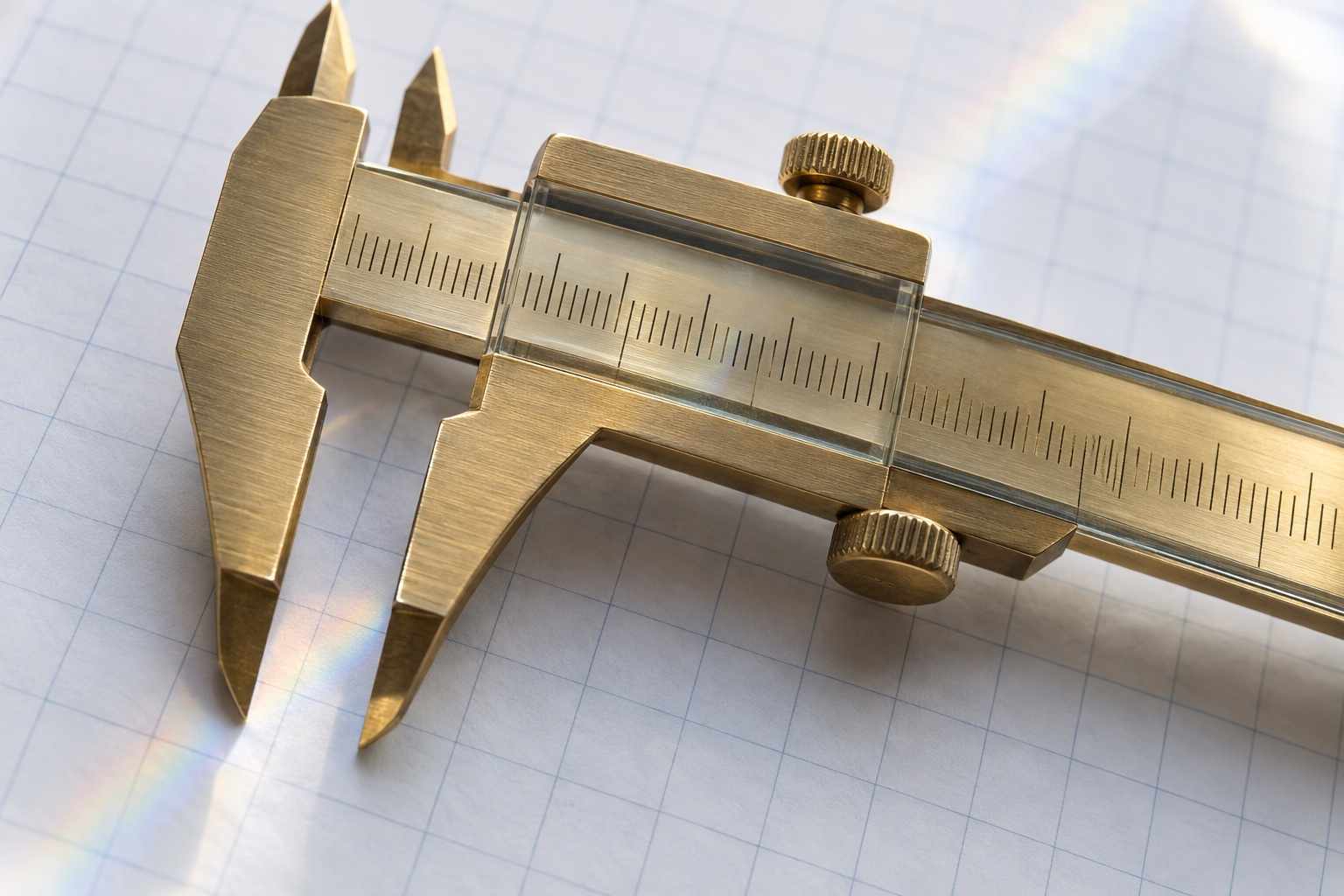
An IQ score looks like a measurement, the way a height or a weight is. It isn’t quite. It’s a position: where your performance on one test, on one day, sits among the people the test was normed on.
A scale built on the average
Modern IQ scales are defined so that the average of the norm group is 100 and one standard deviation is 15 points. That’s all the numbers mean. A score of 115 says you did better than about 84 % of the norm group; a score of 85, better than about 16 %.
Because the scale is relative, the same raw performance can give different scores on different tests, or on the same test normed on a different group. Scores from two different tests aren’t directly comparable.
Every score has a margin
No test is perfectly reliable. Sleep, stress, a noisy room or an unfamiliar device all move a score a few points. That’s why a good report gives a confidence interval: the range the score most likely falls in. On a short online test, that range is several points wide, and it should be read that way.
What it measures, and what it doesn’t
Reasoning tests are good at measuring how quickly and accurately you find rules in unfamiliar material. That ability matters in many places, from school to work. But it is one ability among many. An IQ score says nothing about creativity, knowledge, judgement, kindness, persistence or taste, and nothing about who you can become.
Read your score as one honest data point. Then put it down and get on with your day.